

"Narrative dysfunction"
Infecting the culture with "sorrow, depression, and impotent rage"
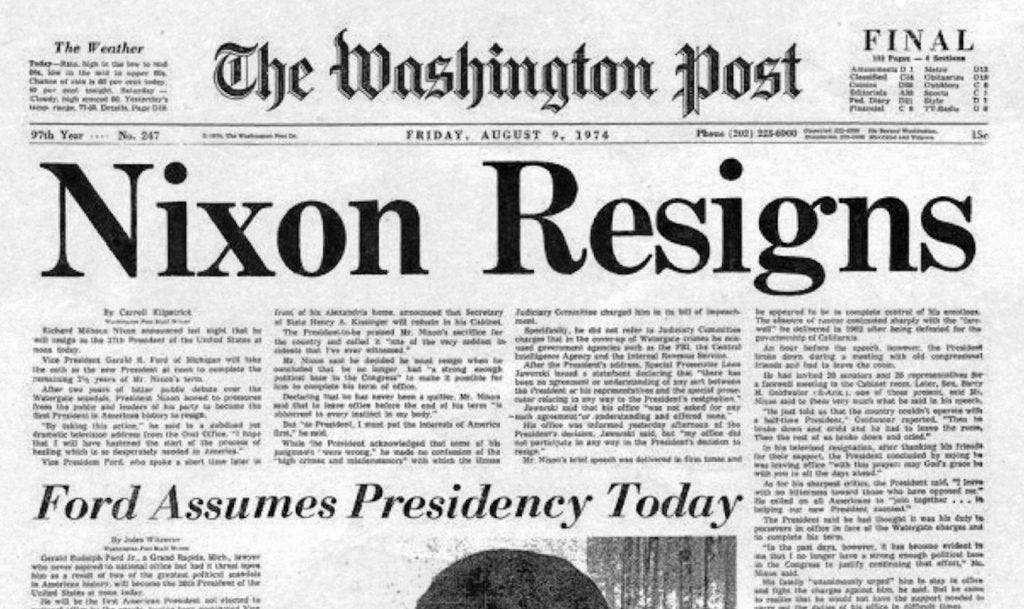
from “Too Many Stories: Are we getting paralyzed by narrative overload?” by Will Hermes, Utne Reader, September-October 1997:
In [Charles] Baxter’s recent Burning Down the House: Essays on Fiction (Graywolf Press, 1997), he discusses the concept of “narrative dysfunction”—a phrase borrowed from the poet C. K. Williams that, Baxter writes, describes “the process by which we lose track of the story of ourselves, the story that tells us who we are supposed to be and how we are supposed to act.” Baxter suggests that the Kennedy assassination, Richard Nixon’s Watergate-era disavowals of responsibility, and the endless procession of testimonies on Oprah and Montel Williams are all popular examples of dysfunctional narratives. Within these stories, people and events are blamed for doing someone (or some group) wrong. But since there is no one around to fully accept responsibility, there can be no true closure to these narratives; thus the story “spreads over the landscape like a stain,” infecting the culture with a mixture of sorrow, depression, and impotent rage. “Dysfunctional narratives tend to begin in solitude and they tend to resist their own forms of communication,” Baxter concludes. “They don’t have communities so much as audiences of fellow victims.”